Semantic Fidelity Visuals: How Meaning Survives Transformation
These eight visual frameworks examine how meaning changes as information is compressed, summarized, transmitted, and reused. A representation can become clearer, more useful, and more coherent while losing the context, intent, and relationships that originally gave it meaning. The frameworks trace where those losses occur and what allows meaning to survive transformation.
Accuracy asks whether a statement is correct. Semantic fidelity asks whether the meaning survived.
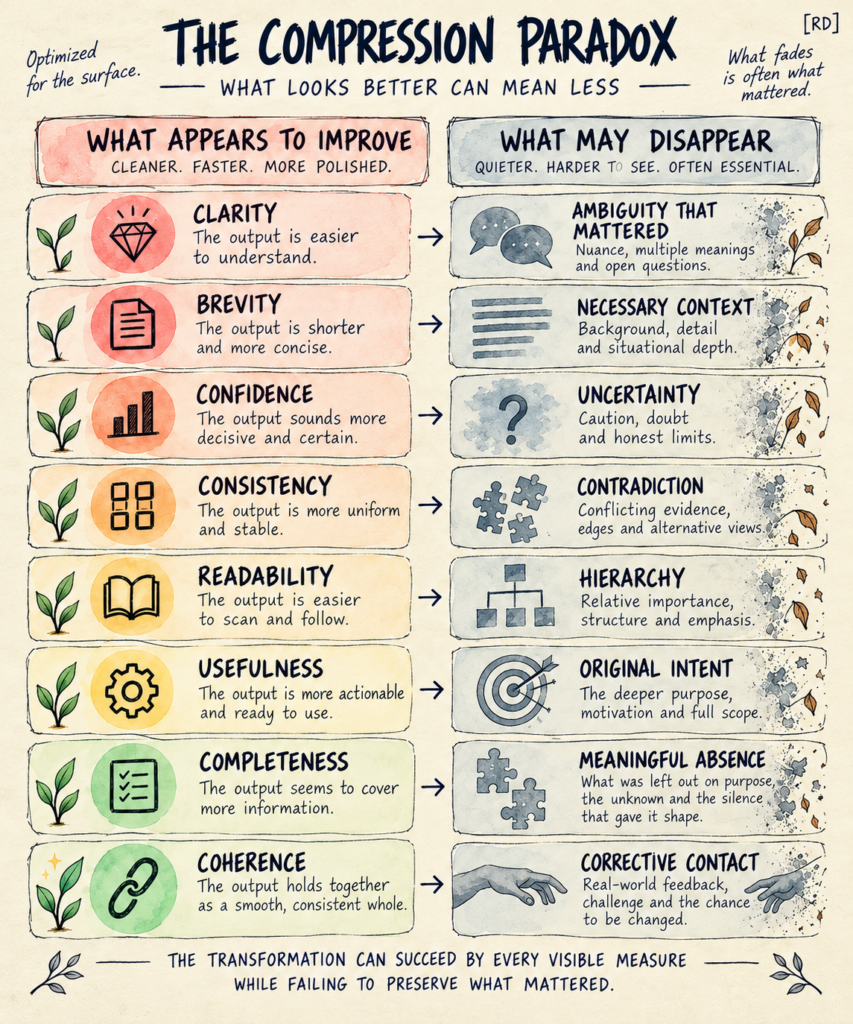
01 — The Compression Paradox
Compression can make information clearer, shorter, more consistent, and easier to use while removing context, ambiguity, uncertainty, and original intent. Visible improvements do not necessarily indicate that meaning has been preserved.
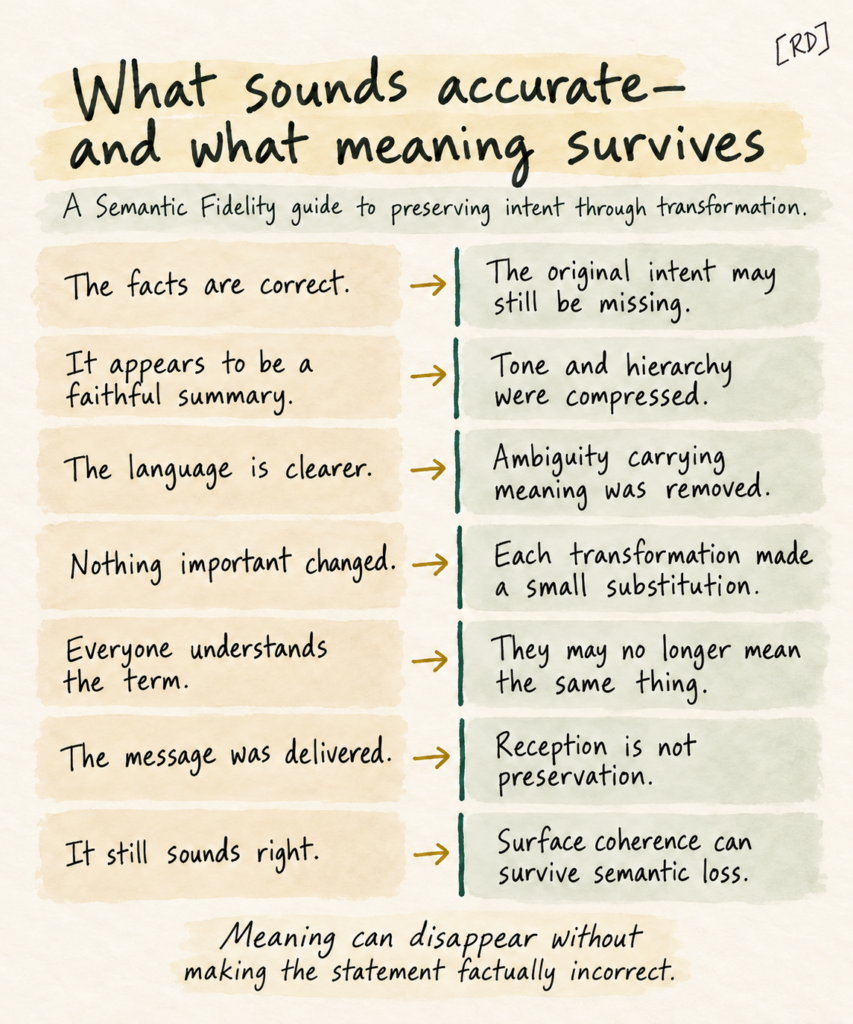
02 — What Sounds Accurate and What Meaning Survives
A statement can remain factually correct while failing to preserve its original meaning. Summarization, clarification, and repetition can alter emphasis, remove ambiguity, or substitute interpretation without introducing an obvious factual error.
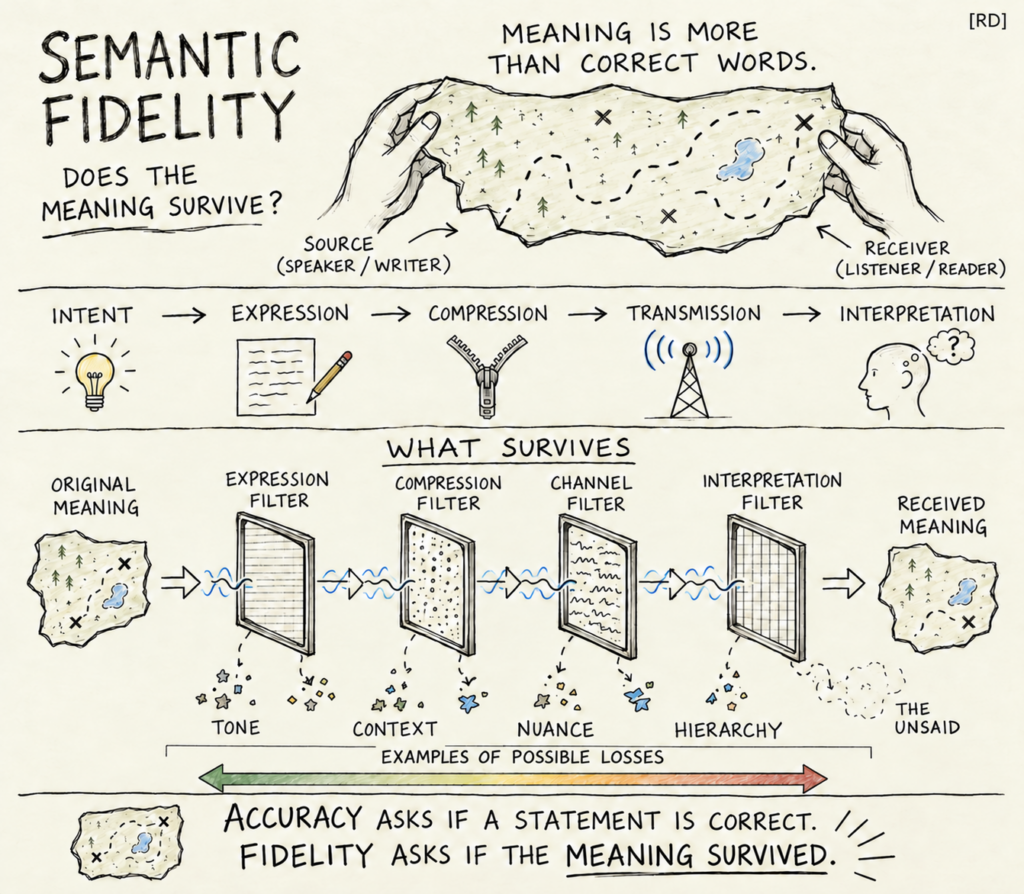
03 — Semantic Fidelity: Does the Meaning Survive?
Meaning passes through successive stages of expression, compression, transmission, and interpretation. Each transformation introduces opportunities for tone, context, nuance, and hierarchy to change before the representation reaches its receiver.
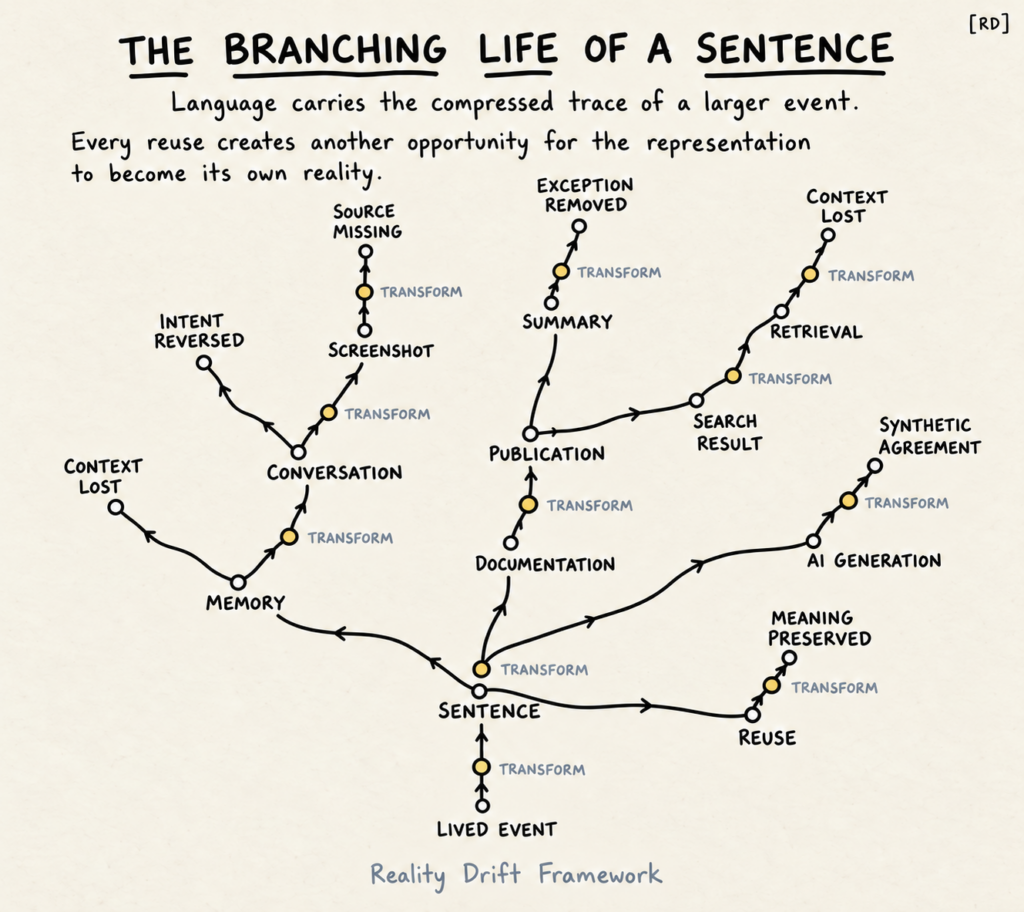
04 — The Branching Life of a Sentence
A sentence can move from lived experience into memory, conversation, documentation, publication, search results, and AI-generated outputs. Each reuse creates another opportunity for the representation to separate from the conditions that originally gave it meaning.
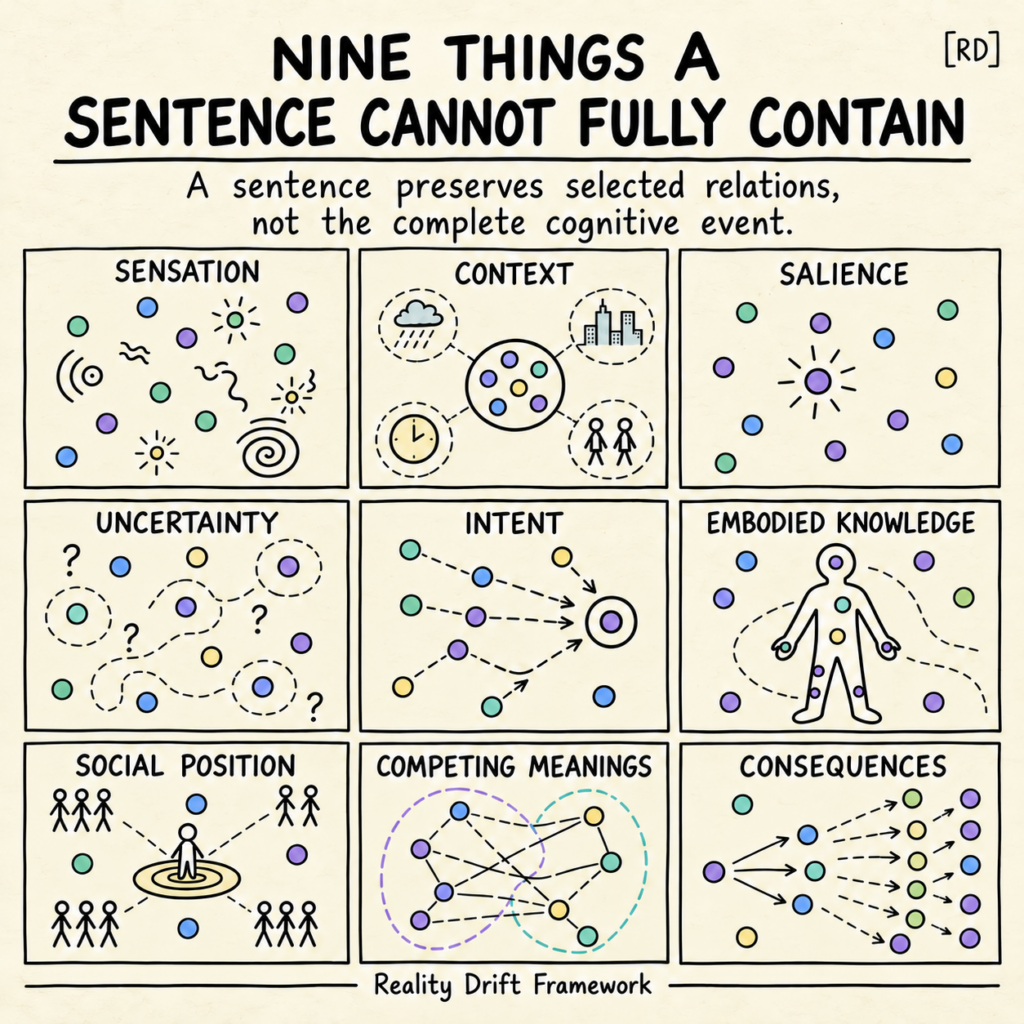
05 — Nine Things a Sentence Cannot Fully Contain
Language preserves selected relationships from a larger experience rather than reproducing the experience itself. Sensation, context, salience, uncertainty, intention, embodied knowledge, social position, competing meanings, and consequences cannot be fully contained in a single sentence.
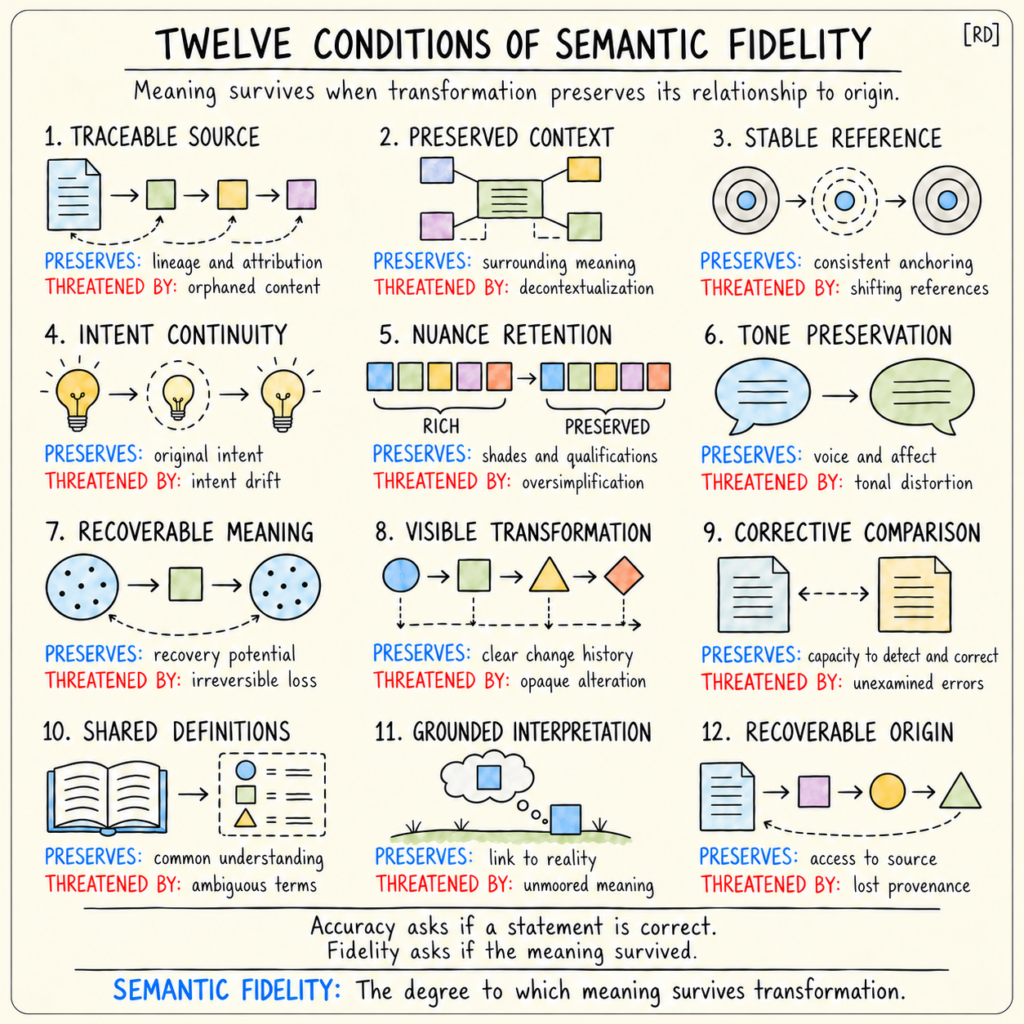
06 — Twelve Conditions of Semantic Fidelity
Preserving meaning requires more than accurate wording. Source traceability, context, stable reference, continuity of intent, nuance, recoverability, and opportunities for correction help maintain the relationship between a representation and its origin.
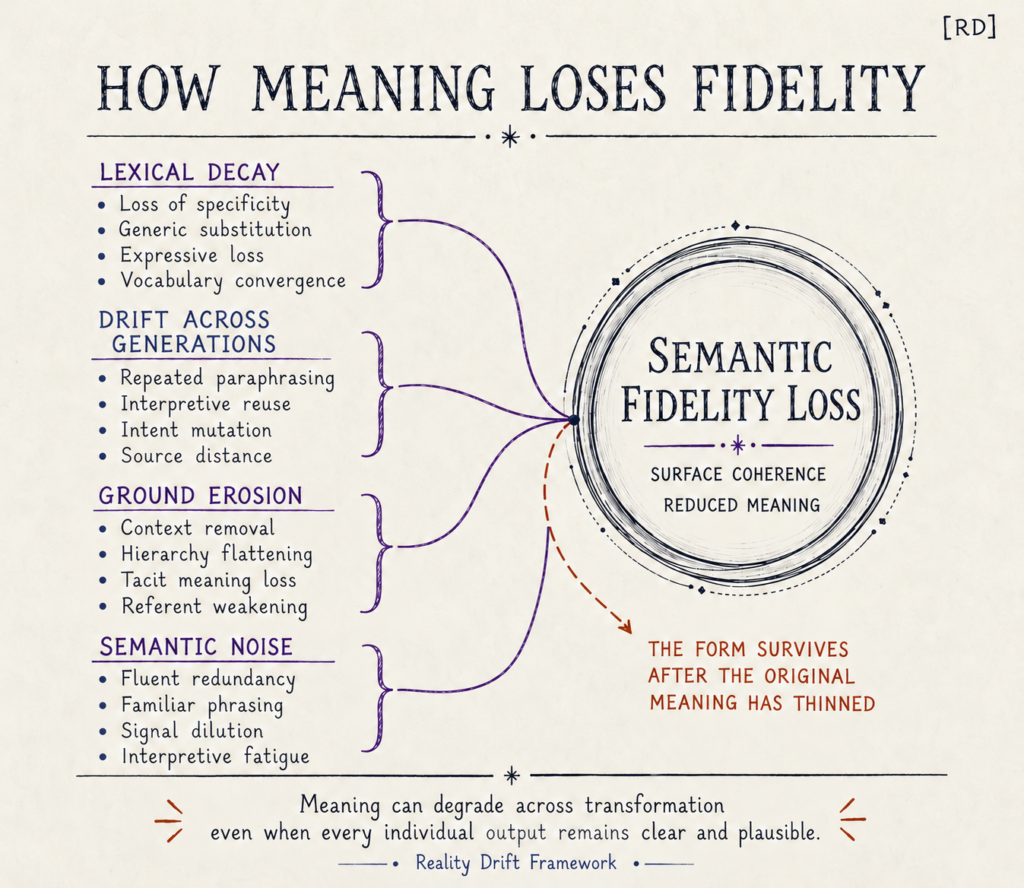
07 — How Meaning Loses Fidelity
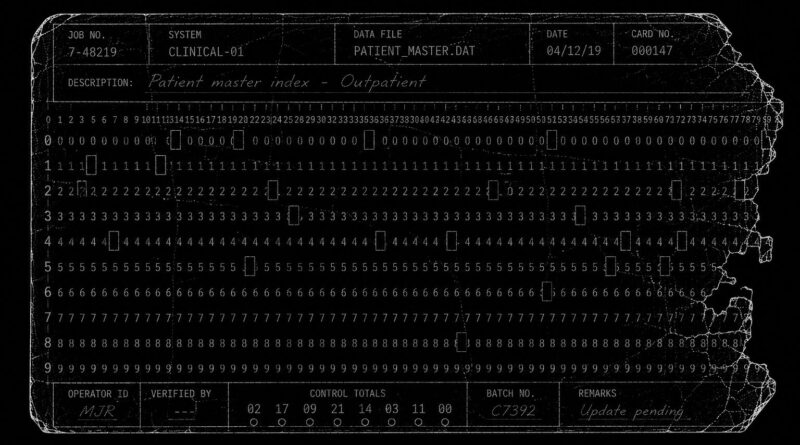
Semantic fidelity can deteriorate through lexical decay, repeated reinterpretation, erosion of grounding, and accumulating semantic noise. Individual outputs may remain readable and plausible even as the relationship between the current representation and its original meaning weakens.
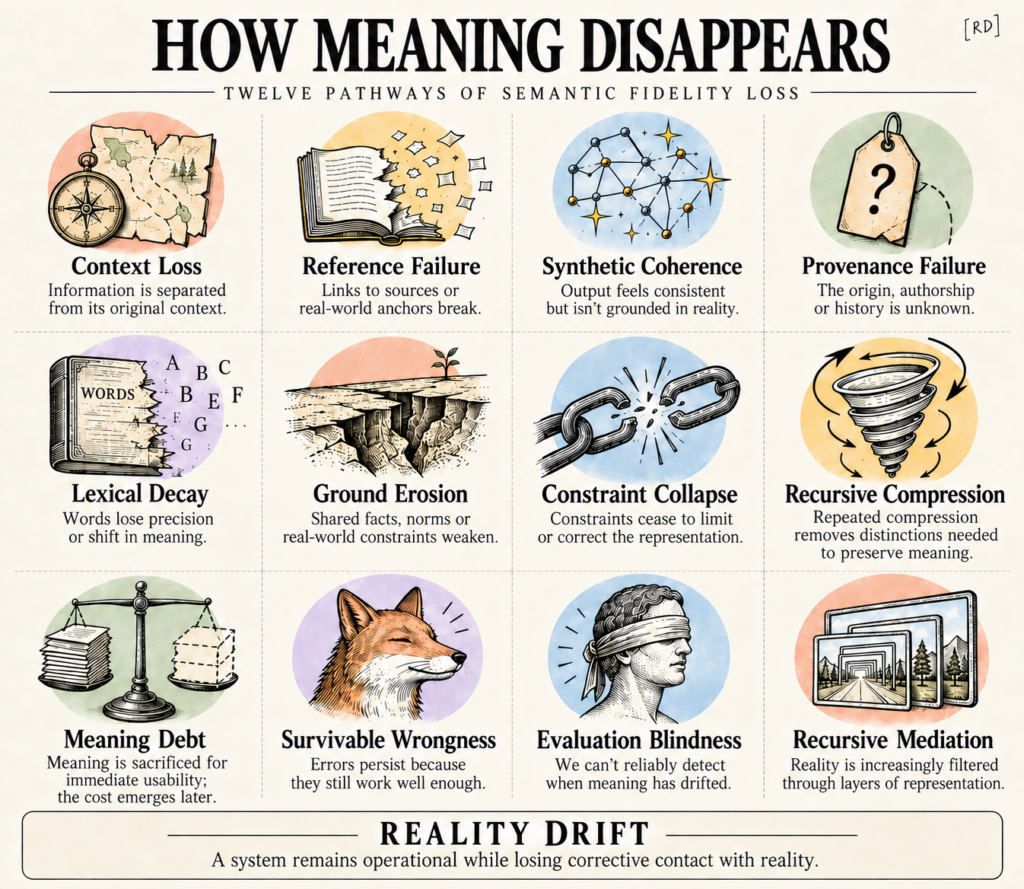
08 — How Meaning Disappears
Meaning can disappear through multiple interacting pathways, including context loss, reference failure, provenance failure, recursive compression, constraint collapse, and synthetic coherence. These mechanisms illustrate how representations can continue functioning while becoming increasingly separated from the reality they describe.