How Reality Becomes Representation
Eight Reality Drift maps of how experience, evidence, identity, uncertainty, and culture are transformed into representations that systems can interpret, circulate, and act upon.
These visual frameworks examine how complex conditions become simplified, measured, organized, repeated, and institutionalized. Each follows a different pathway through which representations gain coherence, usefulness, or authority while potentially losing contact with the reality they originally described.
Coherence is not contact. A representation can remain operational long after its relationship to reality has weakened.
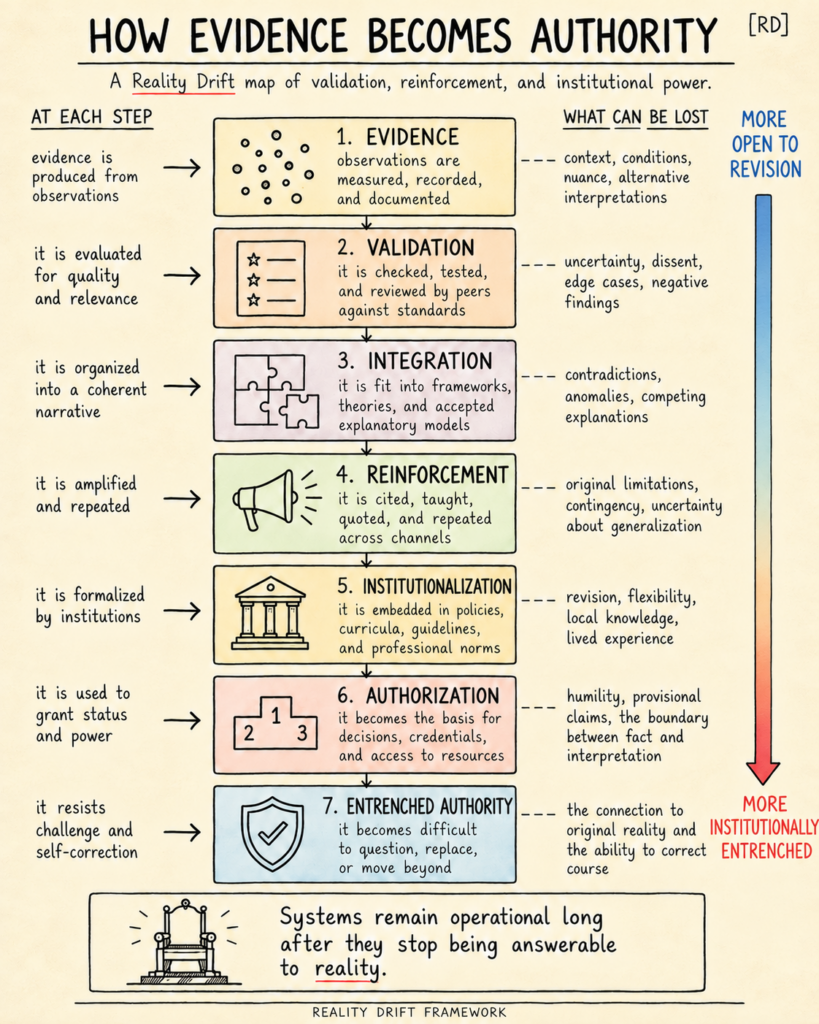
01 — How Evidence Becomes Authority
Evidence moves through validation, integration, reinforcement, and institutional adoption until it becomes a basis for decisions and authority. Each transformation can strengthen legitimacy while obscuring original limitations.
Core pattern: Evidence → Validation → Integration → Reinforcement → Institutionalization → Authorization → Entrenched Authority
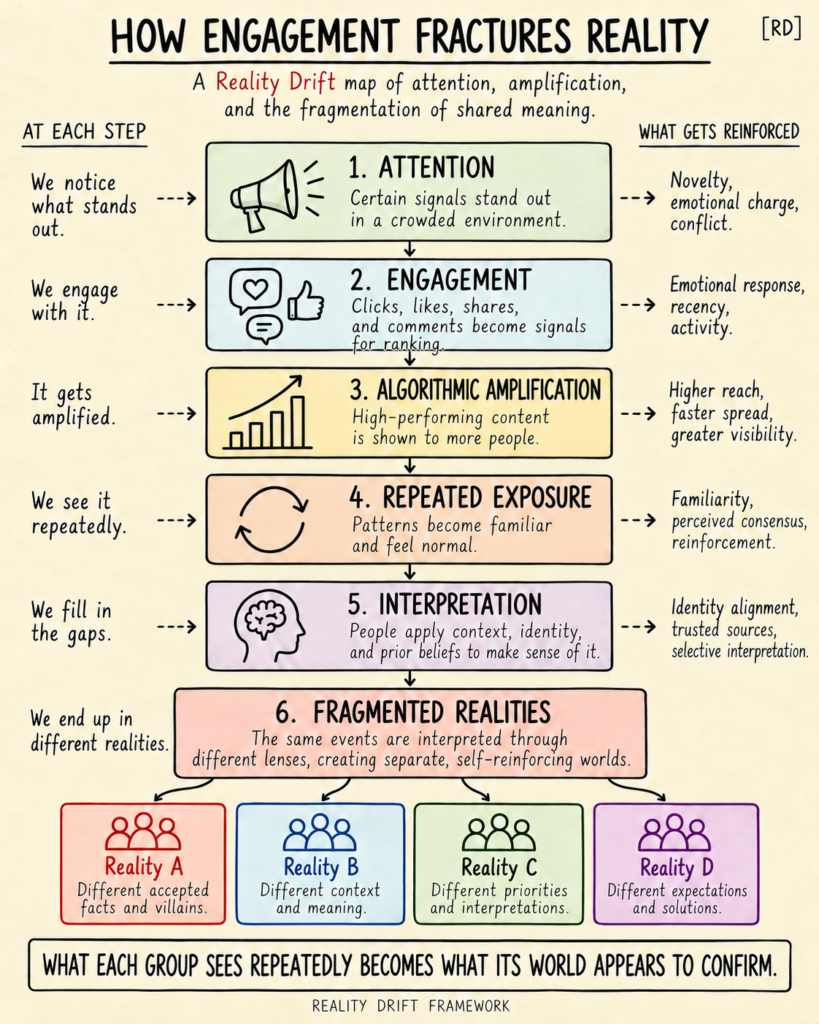
02 — How Engagement Fractures Reality
Attention and engagement signals determine what becomes visible, amplified, and repeatedly encountered. Shared events can produce increasingly different interpretations as groups inhabit separate environments of reinforcement.
Core pattern: Attention → Engagement → Algorithmic Amplification → Repeated Exposure → Interpretation → Fragmented Realities
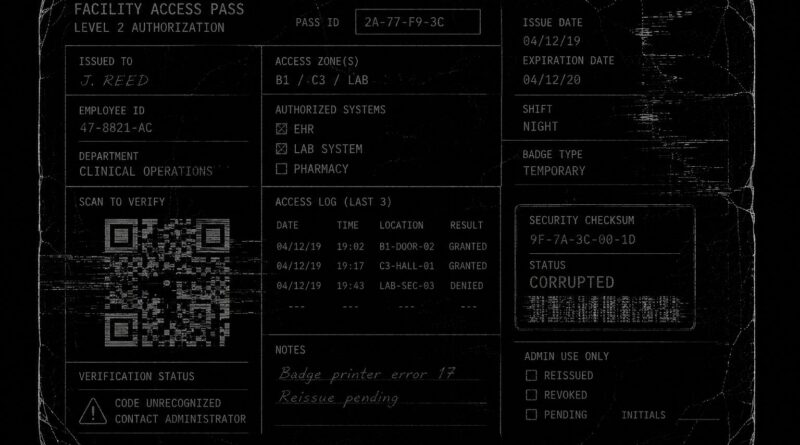
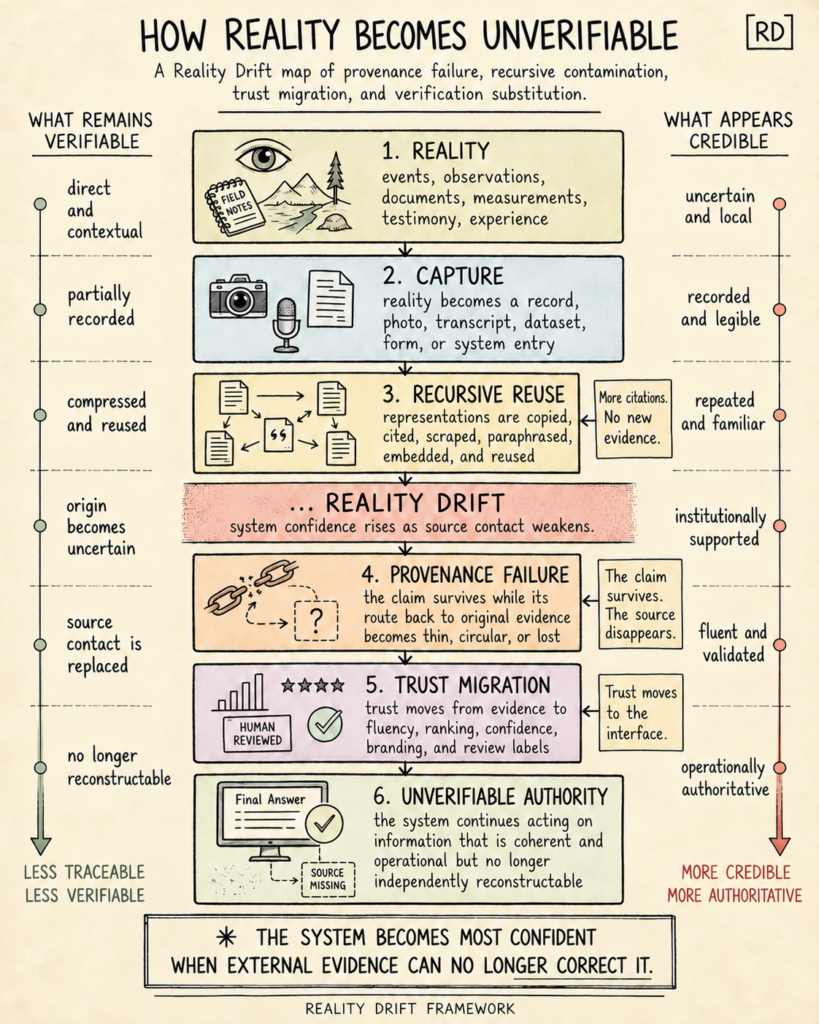
03 — How Reality Becomes Unverifiable
Information is captured, copied, cited, and reused until its original source becomes difficult to reconstruct. Apparent credibility may increase even as independent verification becomes impossible.
Core pattern: Reality → Capture → Recursive Reuse → Provenance Failure → Trust Migration → Unverifiable Authority
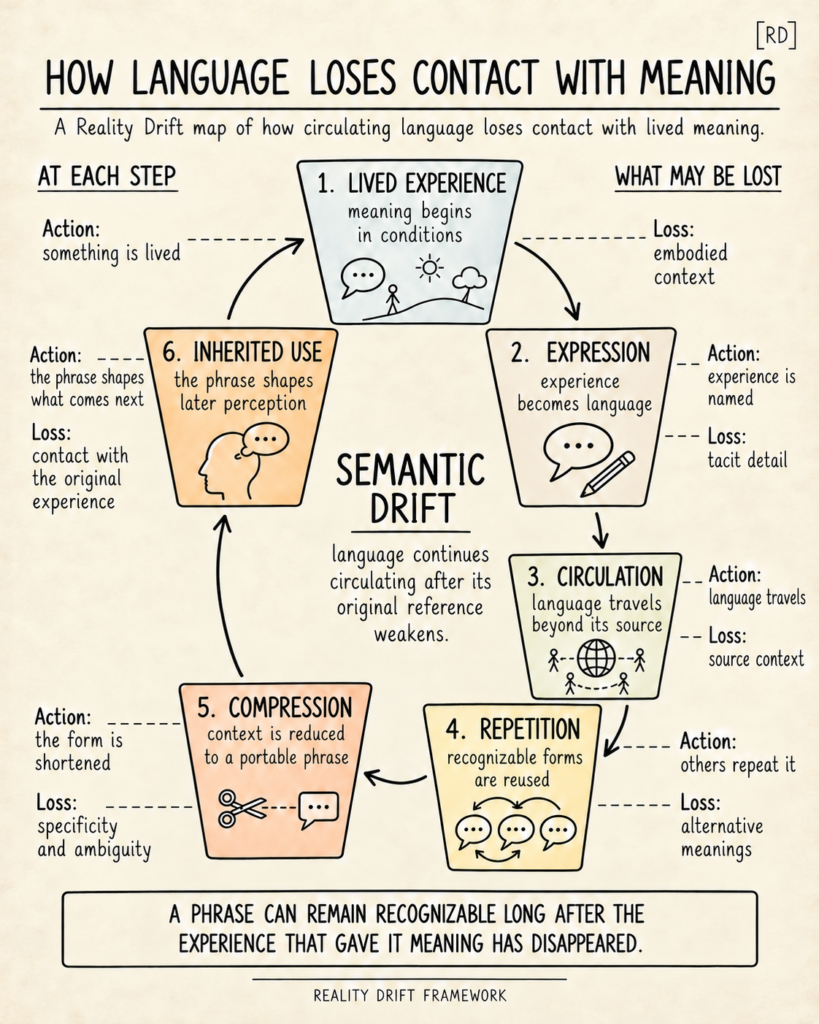
04 — How Language Loses Contact With Meaning
Lived experience becomes language that circulates, repeats, and compresses into recognizable forms. Expressions can continue shaping perception after the original conditions that gave them meaning have disappeared.
Core pattern: Lived Experience → Expression → Circulation → Repetition → Compression → Inherited Use
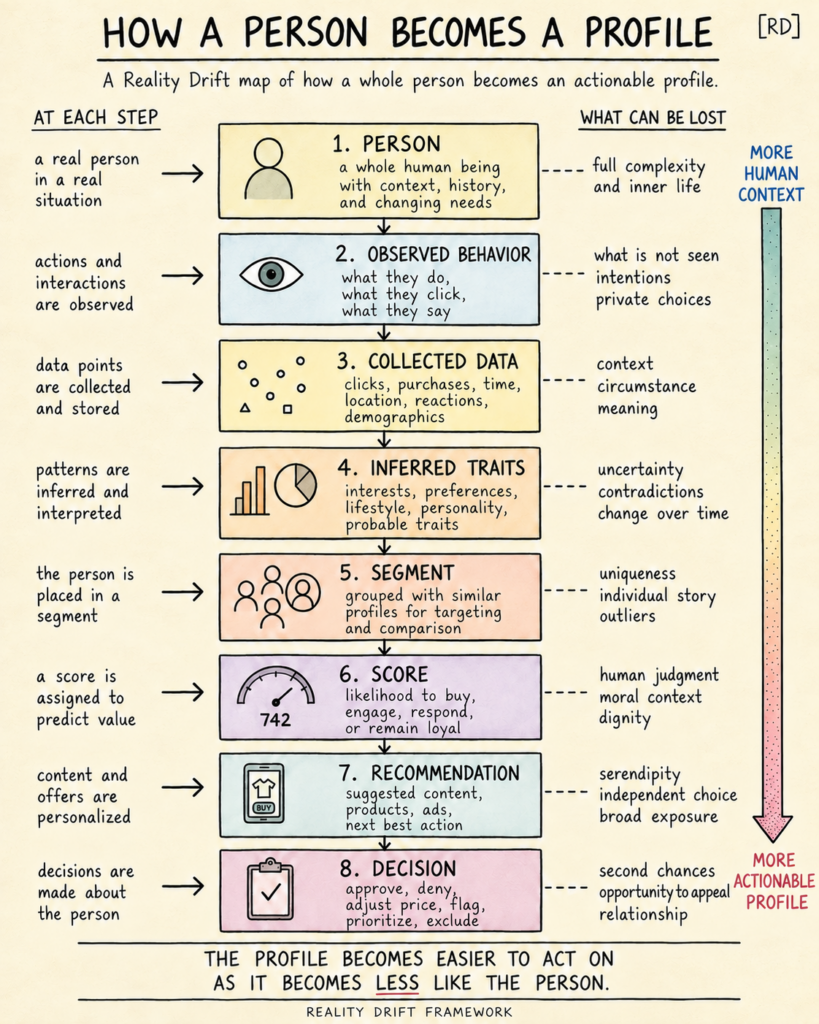
05 — How a Person Becomes a Profile
A person’s behavior becomes data, inferred traits, categories, and scores. These representations become increasingly useful for prediction and decision-making while preserving less of the individual being represented.
Core pattern: Person → Observed Behavior → Collected Data → Inferred Traits → Segment → Score → Recommendation → Decision
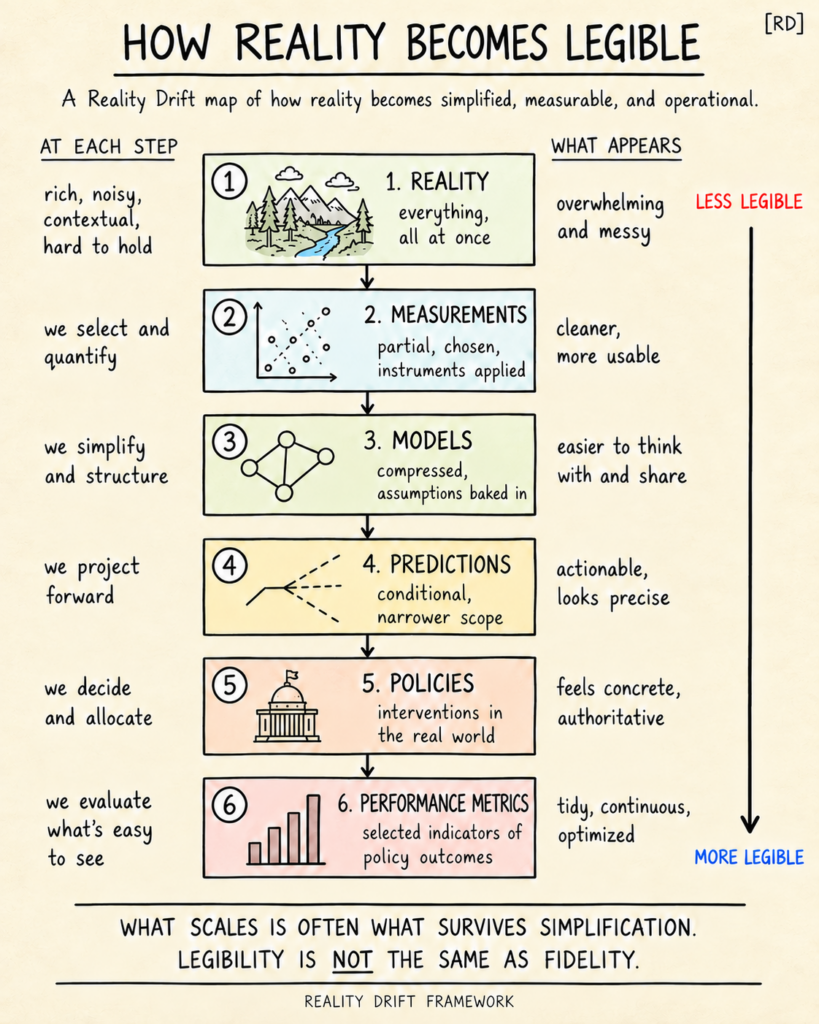
06 — How Reality Becomes Legible
Complex reality is translated into measurements, models, predictions, policies, and performance metrics. Each transformation increases operational clarity while potentially reducing the context and complexity that made the original conditions meaningful.
Core pattern: Reality → Measurements → Models → Predictions → Policies → Performance Metrics
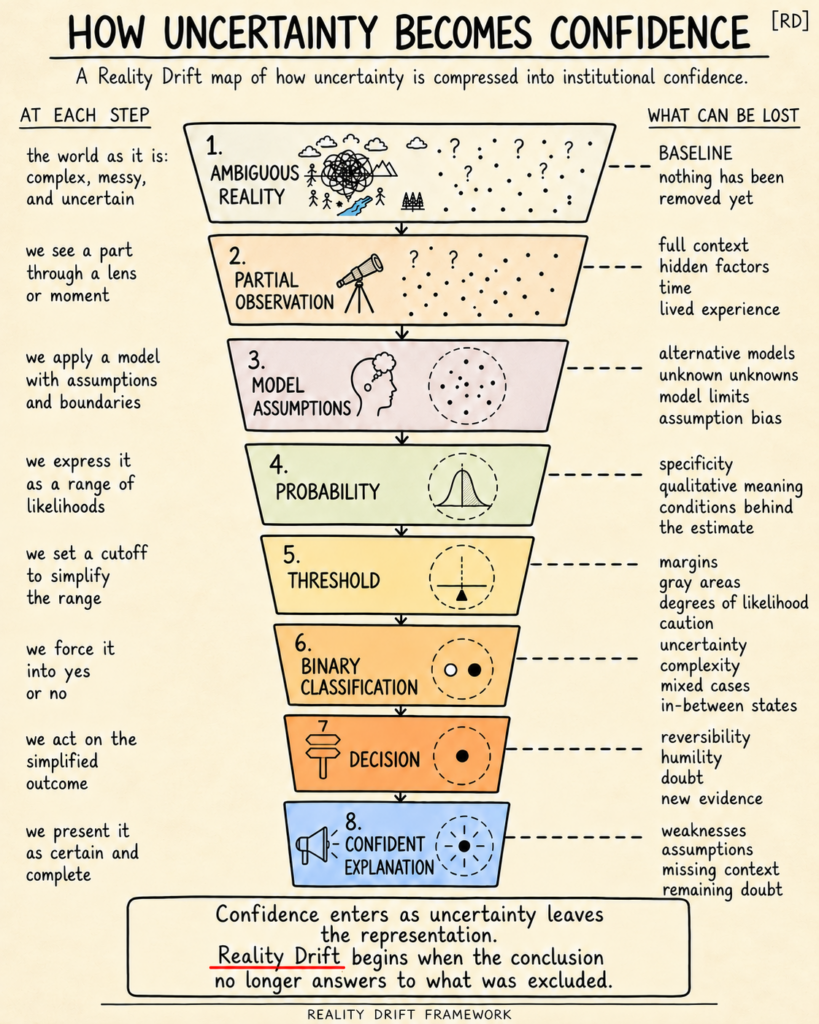
07 — How Uncertainty Becomes Confidence
Ambiguous conditions are narrowed through partial observation, assumptions, probabilities, thresholds, and classifications. The resulting explanation can appear definitive even when the uncertainty excluded from the representation remains unresolved.
Core pattern: Ambiguous Reality → Partial Observation → Model Assumptions → Probability → Threshold → Binary Classification → Decision → Confident Explanation
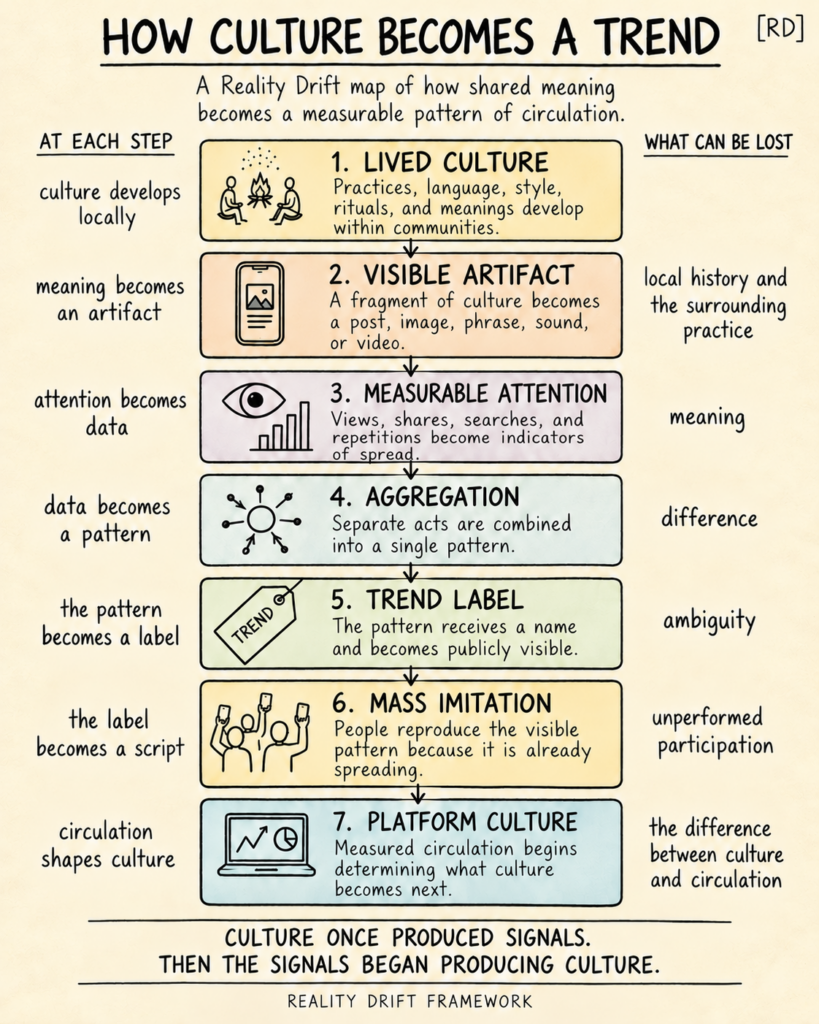
08 — How Culture Becomes a Trend
Lived culture becomes visible artifacts, measurable attention, aggregated patterns, and trend labels. Once those representations are amplified and imitated, they begin influencing the culture they originally described.
Core pattern: Lived Culture → Visible Artifact → Measurable Attention → Aggregation → Trend Label → Mass Imitation → Platform Culture